ByJohn A
167 KVA Transformer: Matching Capacity to Real-World Power Demand
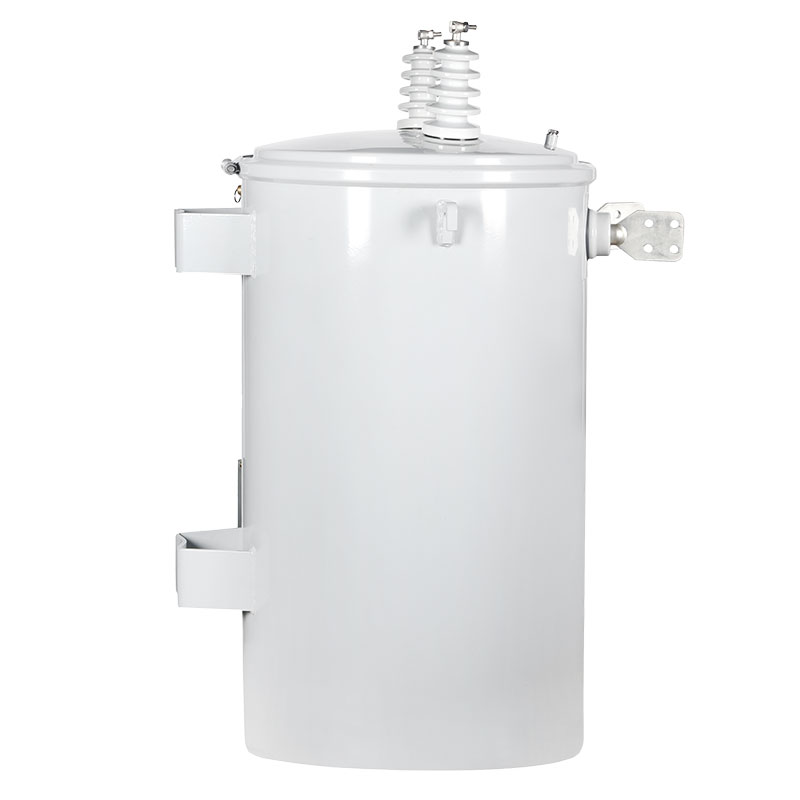
Electrical demand varies significantly from one facility to another. A small workshop, commercial building, agricultural operation, or light industrial unit may require more capacity than a standard small transformer can provide, while a much larger transformer could leave the installation with unnecessary capacity. A 167 kva transformer can fit into this middle range, providing a practical capacity for facilities with moderate electrical requirements.
The transformer rating is only one part of the selection process. Voltage, phase configuration, load characteristics, cooling, installation conditions, and future expansion all need to be considered before a transformer is specified.
What Does 167 KVA Mean?
KVA, or kilovolt-amperes, represents the apparent power capacity of a transformer. A 167 kva transformer is designed to supply an apparent load of 167 KVA under its specified operating conditions.
The amount of real power available in kilowatts depends on the power factor of the connected load.
For example, at a power factor of 0.8:
167 KVA × 0.8 = 133.6 kW
At a power factor of 0.9:
167 KVA × 0.9 = 150.3 kW
These calculations provide a general illustration. The actual operating capacity of a transformer depends on its design, cooling arrangement, ambient conditions, insulation system, and manufacturer’s specifications.
Where a 167 KVA Transformer Can Be Used
A 167 kva transformer can be considered for facilities where the expected electrical demand falls within its rated capacity.
Potential applications include:
- Small and medium-sized manufacturing facilities
- Commercial buildings
- Workshops
- Agricultural operations
- Warehouses
- Schools and institutional buildings
- Hotels and small hospitality facilities
- Pumping stations
- Retail properties
- Residential developments
The final selection depends on the electrical equipment connected to the system. Motors, compressors, pumps, welding equipment, and other inductive loads can have starting currents that are considerably higher than their normal running currents.
Calculating the Actual Load
A transformer should be selected according to the site’s actual electrical demand rather than simply adding the nameplate ratings of every device.
Some equipment may operate continuously, while other machines may be used only at particular times. Engineers can use demand factors and load diversity to estimate the facility’s maximum expected demand.
Important factors include:
- Connected load
- Maximum demand
- Power factor
- Motor starting current
- Operating hours
- Load diversity
- Harmonic-producing equipment
- Expected future expansion
For example, a manufacturing facility might have several machines with a combined nameplate rating above 167 KVA. If those machines do not operate simultaneously, the actual maximum demand may remain below the transformer’s rating.
Future expansion should also be included in the calculation. Adding production equipment later could increase the site’s electrical requirements considerably.
Voltage Configuration Is Equally Important
The KVA rating does not determine whether a transformer is suitable for a particular electrical system. Primary and secondary voltage requirements must also match the installation.
The primary side receives power from the incoming supply, while the secondary side delivers the required voltage to the facility’s distribution system.
A transformer specification may include:
- Primary voltage
- Secondary voltage
- Single-phase or three-phase configuration
- Frequency
- Vector group
- Impedance
- Tap arrangement
- Insulation class
- Cooling method
The correct voltage configuration should be established before purchasing the transformer to avoid compatibility problems during installation.
Choosing Between Dry-Type and Oil-Filled Designs
A 167 kva transformer may be available in dry-type or oil-filled configurations, depending on the manufacturer’s design and project requirements.
Dry-type transformers use solid insulation and do not require transformer oil. They are often used indoors and in commercial or industrial locations where liquid-filled equipment is not suitable.
Oil-filled transformers use insulating oil to provide electrical insulation and assist with heat transfer. They are frequently used in outdoor distribution applications.
The choice should consider installation location, fire-safety requirements, maintenance practices, environmental conditions, ventilation, and available space.
Understanding Transformer Efficiency
Transformers experience losses during operation. These are generally classified as no-load losses and load losses.
No-load losses occur whenever the transformer remains energized, even if the connected load is small. Load losses increase as current increases.
For facilities that operate continuously, these losses can contribute to long-term electricity consumption. Efficiency and loss figures should therefore be reviewed when comparing transformer models.
The transformer’s loading pattern also matters. Operating close to the rated capacity for extended periods can increase thermal stress, while running a substantially oversized transformer at very low loads may not provide the desired efficiency.
Installation Requirements
The installation site should provide sufficient space for the transformer, electrical connections, ventilation, inspection, and maintenance.
Outdoor installations may require fencing, weather protection, drainage, and physical barriers. Indoor installations need adequate ventilation to dissipate heat produced during normal operation.
Grounding is another essential consideration. The transformer enclosure and relevant electrical components should be connected to an appropriate grounding system according to the applicable electrical standards.
The installation may also require circuit breakers, fuses, surge arresters, temperature monitoring, and other protective equipment.
Protecting the Transformer From Electrical Faults
Protection equipment helps isolate faults before they cause extensive damage to the transformer or connected electrical system.
Depending on the installation, protection can include overcurrent protection, earth-fault protection, surge protection, and temperature monitoring.
The protection settings need to be coordinated with the transformer rating and the characteristics of the connected load. Improper protection can result in nuisance trips or inadequate fault protection.
Qualified electrical professionals should design and commission the protection system according to applicable requirements.
Maintenance and Inspection
Routine maintenance helps identify problems such as overheating, loose connections, insulation deterioration, contamination, or physical damage.
Oil-filled transformers may require inspection of oil levels, bushings, seals, and connections. Periodic oil testing can provide information about the condition of the insulating system.
Dry-type transformers should be inspected for dust accumulation, blocked ventilation passages, loose terminals, and insulation damage.
Thermal imaging can also be used to identify abnormal heating at connections and other components.
Maintenance intervals should follow the manufacturer’s recommendations and should take the operating environment into account.
Selecting the Right Supplier
Before purchasing a 167 kva transformer, buyers should prepare a clear technical specification. This should include voltage requirements, phase configuration, frequency, cooling method, installation location, impedance, efficiency requirements, and applicable testing standards.
The supplier should provide technical documentation covering dimensions, weight, losses, insulation, connection arrangements, testing, and operating requirements.
Warranty coverage and after-sales support can also affect the long-term value of the equipment. Availability of spare parts and technical assistance may be particularly relevant for facilities where an unexpected transformer outage could interrupt production.
Matching Capacity With Actual Requirements
A 167 kva transformer can serve facilities with moderate electrical demand, provided the load assessment supports the rating. Selecting the right unit requires more than matching a number on a load schedule.
Voltage levels, load diversity, motor starting currents, power factor, efficiency, installation conditions, and future expansion should all be considered.
A properly specified transformer can provide dependable power distribution while leaving enough operating capacity for normal variations in demand. Careful planning at the design stage can also reduce the likelihood of costly changes after installation.