ByJohn A
How Low-Voltage Switchboards Manage Electrical Distribution and Safety
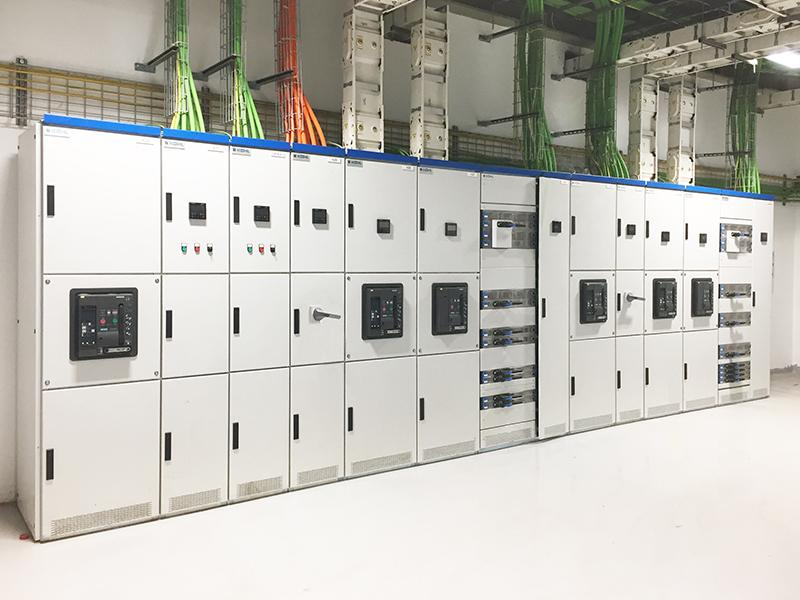
Electrical distribution systems depend on equipment that can receive, control, protect, and distribute power safely. One of the most important components in many commercial, industrial, and infrastructure installations is the low voltage switch board. It provides a central point for managing electrical circuits and helps operators control the flow of electricity throughout a facility.
The design of a switchboard depends on factors such as the building’s electrical load, available power supply, number of outgoing circuits, protection requirements, and operating environment. Understanding how these systems work makes it easier to evaluate their role in a modern electrical installation.
What a Low-Voltage Switchboard Does
A switchboard receives electrical power from an incoming source and distributes it to multiple outgoing circuits. Inside the enclosure, various protective and control devices work together to manage electrical loads.
Typical components can include circuit breakers, busbars, switches, meters, protective relays, current transformers, and connection terminals. The exact arrangement varies according to the application’s voltage, current capacity, fault levels, and control requirements.
The main purpose is not simply to divide electricity between circuits. A properly designed board also provides protection against conditions such as overloads and short circuits. Operators can isolate individual sections when maintenance is required, reducing the need to shut down an entire electrical installation.
See also: Strengthening Customer Support for Home Insurance Claims
Where These Boards Are Used
Low-voltage distribution equipment is found in a wide range of settings. Commercial buildings may use it to distribute electricity between lighting, HVAC systems, elevators, machinery, and general power outlets. Manufacturing facilities can have larger systems supplying production equipment, motors, control panels, and auxiliary systems.
Data centers, hospitals, educational facilities, warehouses, residential developments, and infrastructure projects may also require centralized electrical distribution.
The board’s configuration is normally determined during the electrical design stage. Engineers consider expected demand, future expansion, available space, environmental conditions, and the level of protection required for connected equipment.
Main Components Inside the Assembly
Several components work together inside a distribution board.
Busbars provide conductive paths for distributing electrical power between incoming and outgoing circuits. They are generally designed to handle the expected current while maintaining suitable temperature limits.
Circuit breakers protect individual circuits by interrupting current when abnormal electrical conditions occur. Different breaker types and ratings are selected according to the characteristics of the installation.
Meters and monitoring devices provide information about electrical parameters such as current, voltage, power, and energy consumption. This information can help maintenance personnel identify unusual operating conditions.
Protective relays may be used in larger installations where more advanced monitoring and fault protection are required.
The enclosure itself also matters. It protects internal components from accidental contact, dust, moisture, and other environmental factors, depending on its construction and enclosure rating.
Comparing Main Distribution Equipment
Terminology can vary between manufacturers, engineers, and regions. A main electric switch board generally refers to equipment installed at the primary point of electrical distribution within a facility. It may receive power directly from a utility connection, transformer, generator, or another upstream source.
A master switch board may refer to a central board that controls or distributes power to several downstream sections. The exact meaning depends on the electrical system and the terminology used by the project team.
The distinction between these terms is therefore not always based on a universal technical definition. Specifications, electrical drawings, equipment ratings, and the manufacturer’s documentation provide better guidance than the name alone.
Selecting the Appropriate Configuration
Selecting a low voltage switch board requires more than checking the voltage rating. The equipment must match the expected electrical load and the conditions under which it will operate.
Current-carrying capacity is one of the first considerations. The board needs sufficient capacity for normal operating loads while allowing for appropriate design margins. Engineers also examine prospective short-circuit current so that protective devices and busbars can withstand the electrical stresses associated with a fault.
The number of incoming and outgoing circuits also affects the configuration. A facility with several distribution sections may require a larger assembly with multiple compartments or functional units.
Space and accessibility should be considered during the planning stage. Maintenance personnel need adequate access to equipment, and the board should be positioned where inspection and servicing can be carried out safely.
Protection and Electrical Safety
Electrical protection is central to switchboard design. Circuit breakers and other protective devices should be selected and coordinated so that faults can be isolated without unnecessarily disconnecting unaffected parts of the installation.
A properly designed power switch board can also incorporate metering and control equipment that gives operators greater visibility into electrical conditions.
Protection systems may address overloads, short circuits, earth faults, and other abnormal conditions. Depending on the installation, additional features such as surge protection, automatic transfer equipment, remote monitoring, or emergency isolation may also be incorporated.
Grounding and bonding are equally significant. Metallic enclosures and other conductive parts need to be connected to the appropriate protective earthing system according to applicable electrical requirements.
Understanding Ratings and Standards
Switchboards are manufactured according to technical requirements that specify how equipment should be designed, tested, and verified. Applicable standards depend on the country, installation type, voltage level, and project specifications.
Important ratings can include rated operational voltage, rated current, short-circuit withstand capability, enclosure characteristics, and environmental protection.
Documentation should clearly identify the equipment’s ratings and configuration. Installation teams can then verify that the board is suitable for the electrical system before energization.
Testing is another significant part of the process. Depending on the project, inspections and tests may cover wiring, insulation, protective devices, mechanical operation, connections, and functional performance.
Maintenance and Inspection
Even well-designed electrical equipment requires periodic inspection. Dust accumulation, loose connections, overheating, corrosion, damaged insulation, and worn components can affect reliability over time.
Maintenance schedules should reflect the operating environment and manufacturer’s recommendations. High-load industrial facilities may require more frequent inspections than lightly used installations.
Thermal inspection can help identify abnormal heating at connections and components. Electrical measurements can also reveal changes in system performance that may not be visible during a routine visual inspection.
Before maintenance begins, appropriate isolation and verification procedures should be followed. Only qualified personnel should work on energized or potentially energized electrical equipment.
The Role of the Main Switchboard
A low voltage main switchboard usually sits at a significant point in the electrical distribution network and may supply several downstream boards or major loads. Its capacity and protection settings therefore have consequences for a substantial portion of the facility.
Engineers may divide the board into sections to improve operational flexibility. For example, separate sections can supply different building areas, production lines, or essential services. This arrangement can make fault isolation and maintenance more manageable.
Large installations may also use automatic switching systems that transfer selected loads between different power sources. Such arrangements are common where continuity of supply is particularly important.
Planning for Reliable Electrical Distribution
Electrical distribution equipment should be selected as part of the complete system rather than as an isolated product. The incoming supply, transformers, generators, cables, protective devices, downstream equipment, and expected loads all need to work together.
Accurate load calculations and properly coordinated protection settings help reduce unnecessary interruptions while maintaining safety. Clear labeling and accessible documentation also make future maintenance easier.
For facility owners and project teams, the most useful questions concern actual electrical requirements: How much current will the board carry? What fault level must it withstand? How many circuits are required? What environmental conditions will it face? What monitoring or control functions are necessary?
Answering these questions before equipment is specified can prevent costly modifications later.
Final Considerations
A low voltage switch board is a central part of many electrical distribution systems, combining power distribution, circuit protection, isolation, and monitoring within a controlled assembly. Its effectiveness depends on correct sizing, suitable protective devices, proper installation, and regular maintenance.
Understanding the terminology and technical requirements surrounding switchboards helps building owners, contractors, and engineering teams make informed decisions. The right configuration should always be based on the electrical characteristics of the installation, applicable standards, manufacturer specifications, and the requirements of qualified electrical professionals.