
Why Hosting at Home Remains Worth the Effort
Restaurant culture has never been stronger, and food delivery has never been more convenient. Against this backdrop, hosting a proper sit-down meal at home might seem unnecessary. But something that restaurants cannot replicate is the quality of an evening that unfolds in a space made by the host — the specific atmosphere of a table set by someone who knows their guests, the food that reflects their preferences, the conversation unstructured by the rhythms of service.
The dining table, more than any other piece of furniture, is where this experience happens. How it is chosen, configured, and styled shapes the quality of every occasion that takes place around it.
Matching Table Size to Your Hosting Habits
Before measuring tables, it is worth being honest about how you actually entertain. A family that regularly hosts eight or ten people needs a different solution than a couple who occasionally has two friends over for dinner. Buying a twelve-person table because it might be useful once a year means living around furniture that dominates the room on 364 other days.
A six-person extendable table is usually the most practical solution for the majority of households — compact enough for daily use as a four-seater, expandable when the occasion calls for it. The extendable format also gives you flexibility as circumstances change without requiring a complete furniture replacement.
See also: Tokenization in Payments: How to Store Card Data Without Storing Card Data
The Chair Question
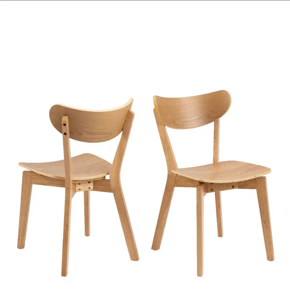
Tables receive most of the attention, but chairs determine how pleasant the experience of eating actually is. Chairs that are too low relative to the table height cause arms to rise during eating, which becomes uncomfortable after the first course. Chairs without adequate back support make long evenings at the table increasingly unpleasant. The standard pairing has the seat at around 45 cm and the table surface at around 75 cm — giving roughly 30 cm of clearance, which works for most adults.
Whether chairs match the table exactly, or whether mixing — different chairs at the ends, matched chairs along the sides — depends on the room’s overall style. Mixing can read as deliberately relaxed and eclectic; it can also read as incomplete. In smaller dining rooms, matched sets tend to produce more coherent results.
Setting Up the Dining Room
The dining room, or dining area in an open-plan home, needs enough space for chairs to be pulled out and pushed back without hitting walls or other furniture. A clearance of 90 cm between the table edge and the nearest wall is the minimum for comfort; 100 to 120 cm is better. Many dining rooms in older British homes, particularly Victorian terraces, offer exactly this — just enough.
For those equipping a dining space on a realistic budget without compromising on the range of styles available, retailers such as Price Crash Furniture carry both tables and chairs across a range of finishes and sizes, allowing table and seating to be sourced from the same range to guarantee a coherent result.
Lighting as a Hosting Tool
No single change transforms a dining room for hosting more reliably than lighting. Overhead dining pendants positioned at between 70 and 80 cm above the table surface illuminate the table and the people around it without flooding the rest of the room. When this pendant is on a dimmer, the transition from an ordinary weeknight meal to a proper hosted occasion requires nothing more than a small adjustment.
Candles remain one of the most effective and inexpensive tools for creating atmosphere at a dining table. Even a few candles in simple holders add something to the experience of a dinner that is difficult to explain in quantitative terms but unmistakable in practice.
How to Lay a Table
A well-laid table communicates before anyone sits down that the host has made an effort. A clean tablecloth or runner, napkins folded consistently, glasses positioned properly, and a simple centrepiece — fresh flowers, a small plant, a cluster of candles — signals intentionality that guests recognise and respond to.
What to avoid is inconsistency: good glasses alongside mismatched cutlery, a beautiful centrepiece surrounded by clutter. The standard of the best element tends to set the expectation, which makes the gap between that and everything else more apparent. A composed, modest table reads better than an uneven one with higher aspirations.
After the Meal
The best hosted meals do not end with the dessert. A table that is comfortable for extended conversation — with enough space that it does not feel crowded, at a height that allows people to settle properly into their chairs — keeps guests around it naturally. A table that is too small, too cramped, or too uncomfortable sends a subtle signal that the evening is over. Hosting well is as much about the conditions you create as the food you produce.