ByJohn A
Fixed Flat Roof Skylight: A Practical Guide to Choosing, Installing, and Buying the Right Rooflight
Natural daylight can make a noticeable difference to rooms positioned beneath a flat roof. Areas such as kitchens, extensions, hallways, offices, and converted spaces may receive limited light from conventional windows. A rooflight can provide an additional source of daylight from above while making better use of otherwise unused roof space.
A fixed flat roof skylight is designed specifically for this purpose. Unlike an opening rooflight, it remains permanently closed and focuses on bringing daylight into the room below. Choosing the right product requires more than simply selecting a suitable size. Glazing, thermal performance, safety, roof construction, installation, and long-term maintenance all deserve consideration.
What Is a Fixed Flat Roof Skylight?
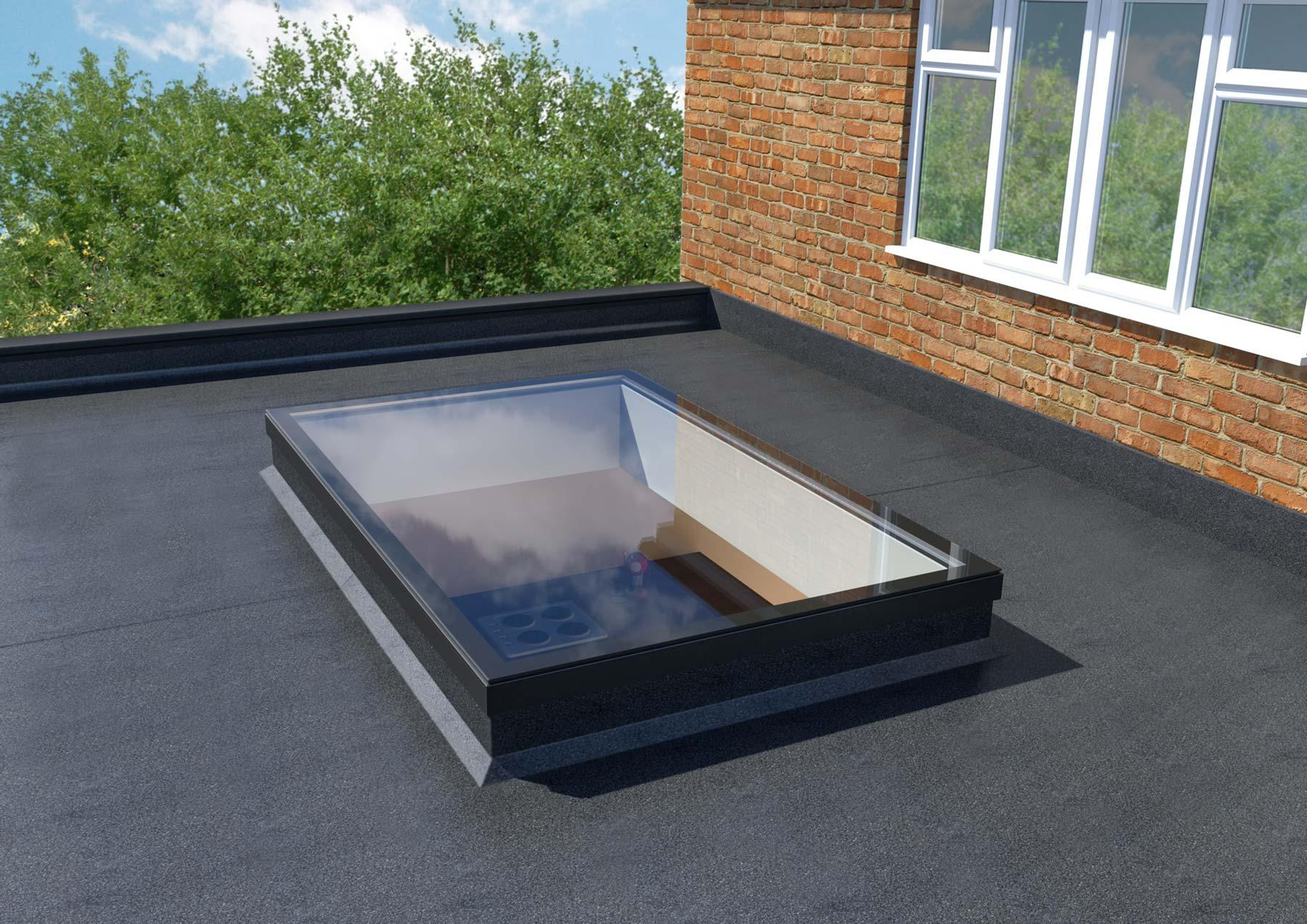
A fixed rooflight is a non-opening glazed unit installed into a roof. It contains no hinges, handles, or ventilation mechanism, so its primary function is to provide natural illumination rather than airflow.
These rooflights are particularly useful where ventilation is not required. They can be installed in residential extensions, flat-roofed garages, commercial premises, offices, and other buildings with suitable roof structures.
The design generally consists of a glazed panel supported by a frame or surrounding system that connects the unit to the roof. The exact construction varies between manufacturers, with options available for different dimensions, glazing specifications, and roof types.
Because the unit remains closed, there are fewer moving components to maintain. However, the installation still needs to provide an effective weatherproof connection between the rooflight and the roof covering.
See also: How Low-Voltage Switchboards Manage Electrical Distribution and Safety
Why Choose a Fixed Rooflight for a Flat Roof?
One of the main reasons for installing a rooflight is to introduce daylight into areas that may otherwise rely heavily on artificial lighting.
A well-positioned unit can distribute light across a room from above rather than relying solely on light entering through vertical windows. This can be useful in extensions or internal areas where wall space is limited.
Fixed rooflights also have a relatively straightforward design because they do not require an opening mechanism. There are fewer components that can wear out, and there is no need to operate the unit manually for ventilation.
There are limitations, however. A fixed unit cannot provide fresh air, so rooms that require additional ventilation may need windows, mechanical ventilation, or an opening rooflight alongside it.
The position and size of the rooflight also matter. A larger unit is not automatically suitable for every room. Structural requirements, roof layout, insulation, and the amount of daylight required should all be considered before installation.
Glass Options and Rooflight Design
Glazing is one of the most significant parts of any rooflight. Different types of glass can provide different levels of insulation, solar control, safety, and light transmission.
For example, insulated glazing can help reduce heat transfer between the interior and exterior. Safety glazing may also be appropriate depending on the location and design of the installation.
A fixed glass roof light can be selected in different sizes and specifications to suit the building. The choice should take account of the room’s dimensions, roof structure, expected daylight levels, and the surrounding environment.
Frame construction is another consideration. Materials and profiles can influence the appearance, durability, insulation, and installation method of the rooflight. The finished product should also complement the roof rather than creating an awkward transition between the glazed section and the surrounding covering.
Fixed Flat Glass Rooflight: What Should You Check?
A fixed flat glass rooflight should be assessed according to both its visual qualities and technical specifications.
Start by checking the exact dimensions. The roof opening needs to correspond with the manufacturer’s installation requirements, rather than simply matching the external dimensions of the finished product.
Thermal performance is another consideration, particularly for rooms that are heated throughout the year. Look at the stated U-value and glazing construction to understand how effectively the unit limits heat transfer.
Safety should also be considered. Roof glazing must be appropriate for its intended application, and the specification should clearly state the type of glass used.
Waterproofing is equally important. A rooflight creates an opening in the roof, so the surrounding flashing, upstand, seals, and roof covering must work together to prevent water ingress.
It is also worth checking whether the product is designed for the specific roof construction. Installation requirements can differ between systems, and following the manufacturer’s instructions helps avoid problems later.

Buying Fixed Rooflights for Different Projects
The requirements for a residential extension may differ from those of a warehouse, office, or commercial building. Before looking at fixed rooflights for sale, establish the basic requirements of the project.
Measure the available roof area and identify any structural elements that could affect the proposed position. Consider the size of the room below and how much daylight is required. A small rooflight may be suitable for a compact space, while a larger room could require a different configuration.
Budget should also be considered alongside technical specifications. A lower purchase price does not necessarily represent better value if the product is unsuitable for the roof or has inadequate thermal or safety characteristics.
Buyers should also check delivery dimensions and access requirements. Large glazed units may require additional planning for transportation and handling before installation.
What to Check Before Ordering Online
Searching for fixed rooflights online provides access to a wide range of sizes and specifications, but online purchasing requires careful attention to product information.
Check the manufacturer’s stated dimensions, glazing type, frame material, thermal performance, installation method, and warranty. Installation instructions should also be available before ordering so that the required roof preparation can be understood in advance.
Delivery information is another practical consideration. Confirm how the rooflight will be packaged and whether the supplier provides guidance for checking the product upon arrival.
It can also be useful to compare products according to their technical specifications rather than relying only on photographs. Two rooflights can look similar while having different glazing performance, construction, or installation requirements.
Installation and Maintenance Considerations
Installing a rooflight involves more than placing a glazed panel into an existing roof. The roof opening must be prepared correctly, and the surrounding area needs suitable waterproofing and support.
Professional installation may be appropriate where structural alterations or specialist roofing work are involved. The manufacturer’s installation instructions should be followed carefully, particularly around sealing and flashing details.
Once installed, routine maintenance is relatively simple. The glazing can be cleaned periodically to maintain light transmission, while seals and surrounding roof areas can be inspected for signs of damage or water ingress.
Regular checks are particularly useful after severe weather, as damaged seals or roofing materials can affect the performance of the installation.
Making the Right Purchase
Before you purchase fixed rooflights, compare the dimensions, glazing specification, thermal performance, safety features, installation requirements, warranty, and compatibility with the existing roof.
A fixed flat roof skylight should be selected according to the building and room in which it will be installed, rather than based solely on appearance or price. Taking time to check the technical details can help ensure that the finished installation provides reliable daylight while remaining suitable for the roof structure.
A fixed flat roof skylight can be a practical way to introduce more natural light into a flat-roofed space, provided the product and installation method are appropriate for the project. Careful product selection and proper roof preparation are central to achieving a durable result.